
Tropical Hardwood Decking Materials: Benefits and Comparisons of Ipe and Cumaru

Tropical hardwood decking is a premium choice for outdoor spaces, valued for its durability, natural beauty, and ability to withstand the elements. Among the most popular options are Ipe and Cumaru, two high-performance hardwoods known for their strength, rich appearance, and long-term outdoor reliability. This article explores the key characteristics of Ipe and Cumaru decking, including their benefits, maintenance needs, durability, cost considerations, and overall performance. It also examines environmental and sourcing factors that may influence material selection. By the end, you will have a clearer understanding of how Ipe and Cumaru compare and which hardwood decking option may be the best fit for your project.What Are the Key Properties of Ipe Hardwood Decking?

Ipe hardwood decking is renowned for its exceptional hardness and durability, making it a top choice for outdoor applications. This tropical hardwood boasts a Janka hardness rating of around 3,680, which is significantly higher than many other wood types. Its dense structure not only provides resistance to wear and tear but also makes it highly resistant to insects and decay. The natural oils present in Ipe contribute to its weather resistance, allowing it to withstand harsh environmental conditions without warping or cracking.

Understanding the Janka hardness rating is crucial for evaluating a wood’s suitability and longevity in construction.

Janka Hardness for Hardwood Decking Durability

The physical and mechanical properties are essential to exploring the potential applications of each wood species. Janka hardness allows us to identify the wood’s workability and durability characteristics. Regarding evaluations of wood pieces for construction, estimating this mechanical property by nondestructive testing (NDT), and dismissing the extraction of specimens is of great interest.

Janka hardness of hardwood species evaluated by the nondestructive sclerometric method, J Soriano, 2022

How Does Ipe's Hardness and Durability Enhance Decking Longevity?

The hardness of Ipe enhances its longevity by providing a robust surface that can endure heavy foot traffic and adverse weather conditions. Its high resistance to insects, such as termites, further extends its lifespan, making it an ideal choice for outdoor decking. In various climates, Ipe has been known to last over 30 years with proper maintenance, showcasing its durability and reliability as a decking material.

What Maintenance Practices Keep Ipe Decking in Top Condition?

To maintain Ipe decking in optimal condition, regular cleaning and sealing are essential. It is recommended to clean the surface at least once a year to remove dirt and debris. Additionally, applying a high-quality sealant every 1-2 years can help preserve its rich color and protect against UV damage. Repairing any scratches or dents promptly will also ensure the decking remains in excellent shape for years to come.

What Makes Cumaru Hardwood a Strong Choice for Tropical Decking?
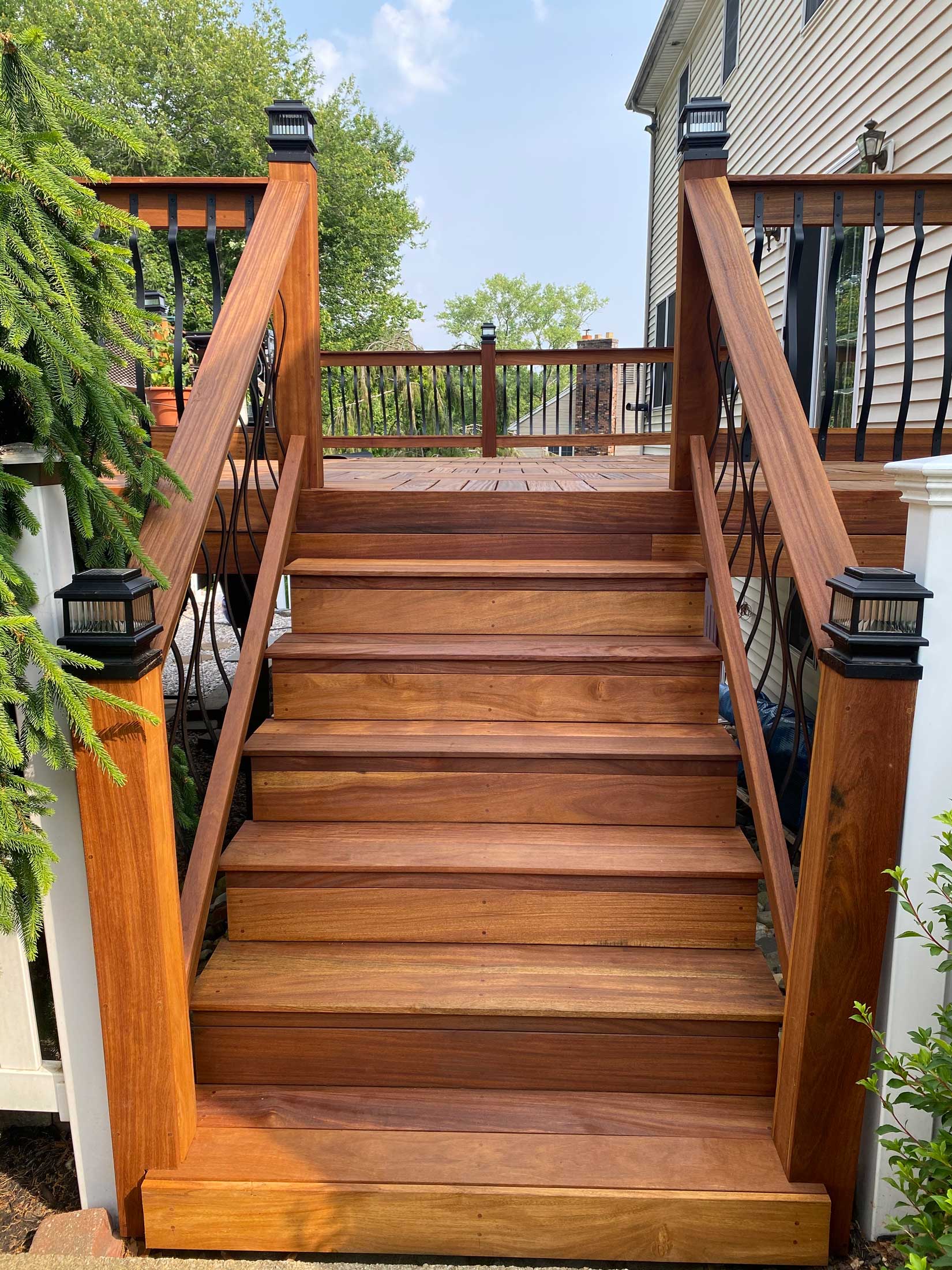
Cumaru hardwood is another excellent option for tropical decking, known for its strength and aesthetic qualities. With a Janka hardness rating of approximately 2,350, Cumaru is slightly less hard than Ipe but still offers impressive durability. Its rich golden-brown color and unique grain patterns make it visually appealing, adding warmth and character to outdoor spaces. Additionally, Cumaru is cost-effective, often priced lower than Ipe, making it an attractive option for budget-conscious consumers.

Which Unique Properties Define Cumaru's Strength and Appearance?

Cumaru’s strength is attributed to its dense cellular structure, which provides excellent resistance to wear and environmental stressors. The wood’s natural oils also contribute to its durability, making it resistant to moisture and decay. Visually, Cumaru features a variety of color variations and distinct grain patterns, allowing for creative design possibilities in outdoor settings.

How Should Cumaru Decking Be Maintained for Best Results?

Maintaining Cumaru decking involves similar practices to Ipe, including regular cleaning and sealing. It is advisable to clean the decking at least once a year and apply a sealant every 1-2 years to protect its appearance and longevity. Addressing any surface damage promptly will help maintain the wood’s integrity and aesthetic appeal.

How Do Ipe and Cumaru Compare in Durability and Cost?

When comparing Ipe and Cumaru, both hardwoods offer outstanding durability and long-term outdoor performance, though they differ in cost and certain characteristics. Ipe is typically the more expensive option because of its greater hardness, exceptional density, and longer service life, while Cumaru provides a more cost-effective alternative with excellent strength and durability. The natural resilience of these tropical hardwoods, along with their distinct maintenance needs, plays a major role in their long-term appearance and performance.Tropical Hardwood Decking Durability & MaintenanceNatural durability using the method described in BS EN 350-1 show denya to be very durable, dahoma moderately durable and esa not durable. Field exposure shows esa is liable to blue stain in service though no decay is detected in lap joints after nine months exposure. An investigation into the suitability of selected lesser utilised Ghanaian hardwoods for use as outdoor furniture and decking, 2007

What Are the Differences Between Ipe and Cumaru Decking Hardness?

The primary difference in hardness between Ipe and Cumaru is significant. Ipe’s Janka hardness rating of 3,680 makes it one of the hardest woods available, while Cumaru’s rating of 2,350 still places it among the durable hardwoods but at a lower level. This difference impacts their performance in high-traffic areas and their resistance to wear over time.

Which Decking Wood Offers Better Value for Tropical Outdoor Use?

In terms of value, Cumaru often presents a more attractive option for those looking to balance quality and cost. While Ipe may offer superior durability, Cumaru’s lower price point and adequate performance make it a compelling choice for many homeowners. Ultimately, the decision may come down to specific project requirements and budget considerations.

What Environmental and Sustainability Factors Affect Tropical Hardwood Decking?

The environmental impact of sourcing tropical hardwoods like Ipe and Cumaru is an important consideration for consumers. Sustainable practices in harvesting and certification can significantly influence the ecological footprint of these materials.

How Do Certifications Like FSC Impact Mataines Hardwood Sourcing?

Certifications such as the Forest Stewardship Council () play a crucial role in ensuring that hardwoods are sourced sustainably. FSC certification guarantees that the wood comes from responsibly managed forests that provide environmental, social, and economic benefits. Choosing FSC-certified Ipe or Cumaru helps support sustainable forestry practices and reduces the impact on ecosystems.

What Are the Lifecycle Environmental Impacts of Ipe and Cumaru Decking?

The lifecycle environmental impacts of Ipe and Cumaru decking include considerations from harvesting to disposal. Ipe, while durable, often requires more energy-intensive processing due to its density. In contrast, Cumaru, being slightly less dense, may have a lower environmental impact during processing. However, both types of wood can be sustainably sourced, minimizing their overall ecological footprint when harvested responsibly.

Wood TypeHardness RatingLifespanCost (per sq. ft.)
Ipe3,68030+ years$14 - $25
Cumaru2,35020+ years$8 - $12

This comparison highlights the differences in durability and cost between Ipe and Cumaru, aiding consumers in making informed decisions based on their specific needs and budget.

Tropical hardwood decking options like Ipe and Cumaru offer unique benefits that cater to various preferences and requirements. Understanding their properties, maintenance needs, and environmental impacts can help you choose the best decking material for your outdoor space.

Call Now